To promote interaction between humanitarian actors and researchers in the humanities and social sciences, the French Red Cross Foundation regularly organizes “La Pause Culture Recherche” at the French Red Cross headquarters.
Our goal is to tangibly embody the connection between research and society through feedback and collaborations between researchers and humanitarian and social actors, as well as artists.
Overview
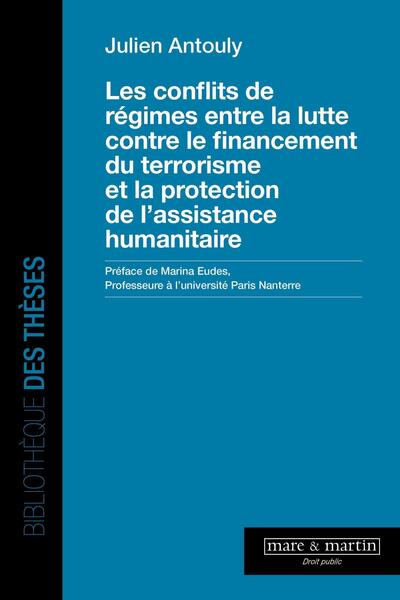
During this 12th edition of Pauses-Culture-Recherche, we welcomed Julien Antouly, an associate professor at the University of Rouen Normandy (CUREJ), who joined us to present his book“Regime Conflicts Between the Fight Against Terrorist Financing and the Protection of Humanitarian Assistance,”based on his doctoral dissertation in international humanitarian law, which he defended in 2024 at the University of Paris-Nanterre.
The humanitarian sector, victim of the fight anti-terrorism.
In recent years, the humanitarian sector has faced growing insecurity: in 2024, the number of humanitarian workers killed in the field more than doubled compared to previous years. In this context, the anti-terrorism measures mandated by international law are placing additional pressure on an already vulnerable sector: paradoxically, the anti-terrorism measures imposed by Western states restrict the activities of nongovernmental organizations, even though these organizations are among the very first victims of terrorism, just like the people they support.
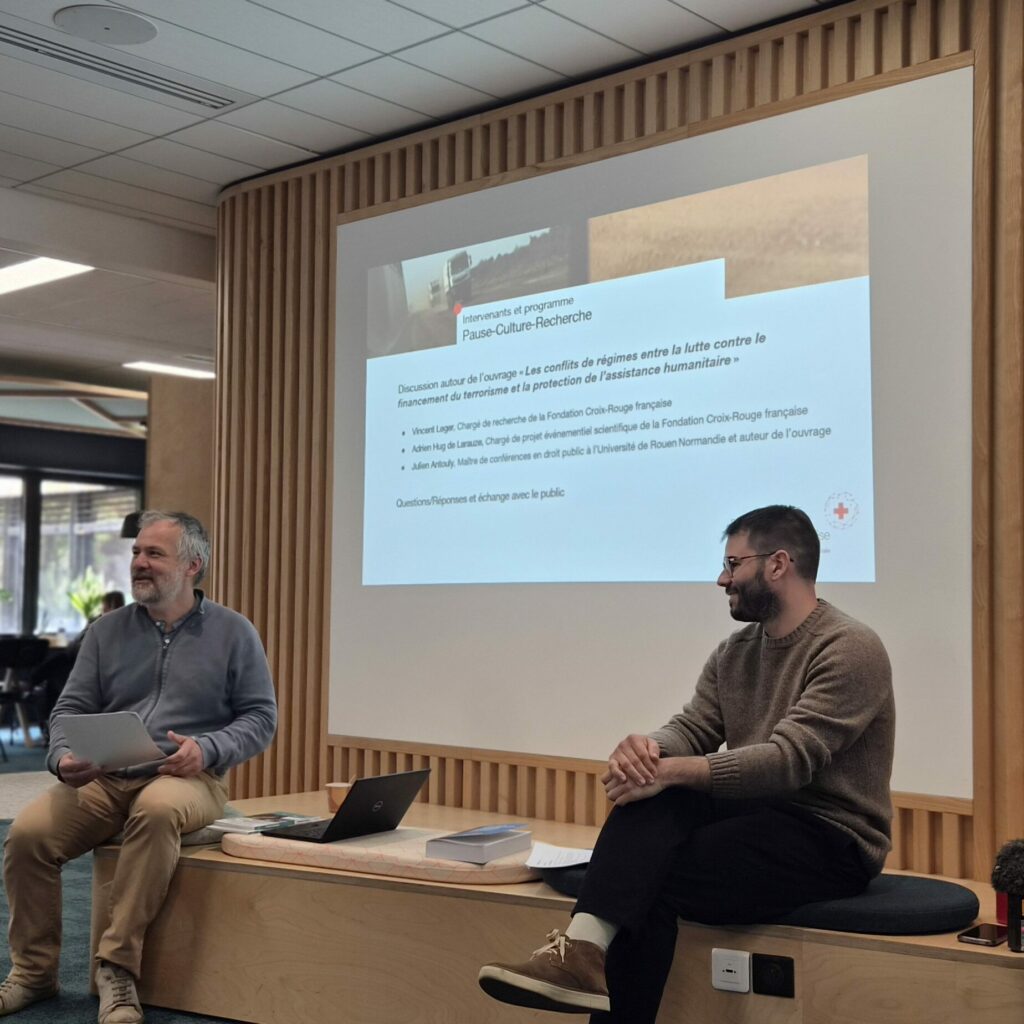
Julien Antouly’s research builds on this paradox and examines the financial, material, and human impacts of implementing anti-terrorism measures on humanitarian organizations.
The Sahel as the context for the study.
Motivated by his desire to focus his research on a Francophone context often overlooked by a predominantly English-language academic literature, Julien Antouly dedicated his dissertation to the Sahel region—a choice he explained was justified by the unique historical and political context of the countries in that region. Marked by the strong presence of armed terrorist groups, the Sahel served as a “testing ground” for France’s counterterrorism efforts from 2012 to 2022, during which time France conducted a military intervention aimed at combating the djihadist armed groups present in the region. This presence fueled tensions between Western states operating in the region and local institutions, leading to the withdrawal of French and Western troops following a request from the new authorities that emerged from military coups in the early 2020s.
While conducting his research in Mali, Julien was able to interview humanitarian workers there about the impact of counterterrorism measures on their work—an empirical approach that complements the legal methodology more commonly used in the field of international humanitarian law.
What solutions are available for the humanitarian sector?
While the conflict of norms described by Julien Antouly remains difficult to resolve, he highlighted major legal developments that facilitate the continuation of humanitarian operations in areas affected by terrorism. Initiated in 2021 with the adoption of an initial resolution by the United Nations Security Council following the Taliban’s return to power in Afghanistan, humanitarian exemptions have ensured the continuity of humanitarian activities by allowing humanitarian organizations to be exempt from measures designed to combat the financing of terrorism. Although still few in number, these recent developments offer hope for the protection of humanitarian law.
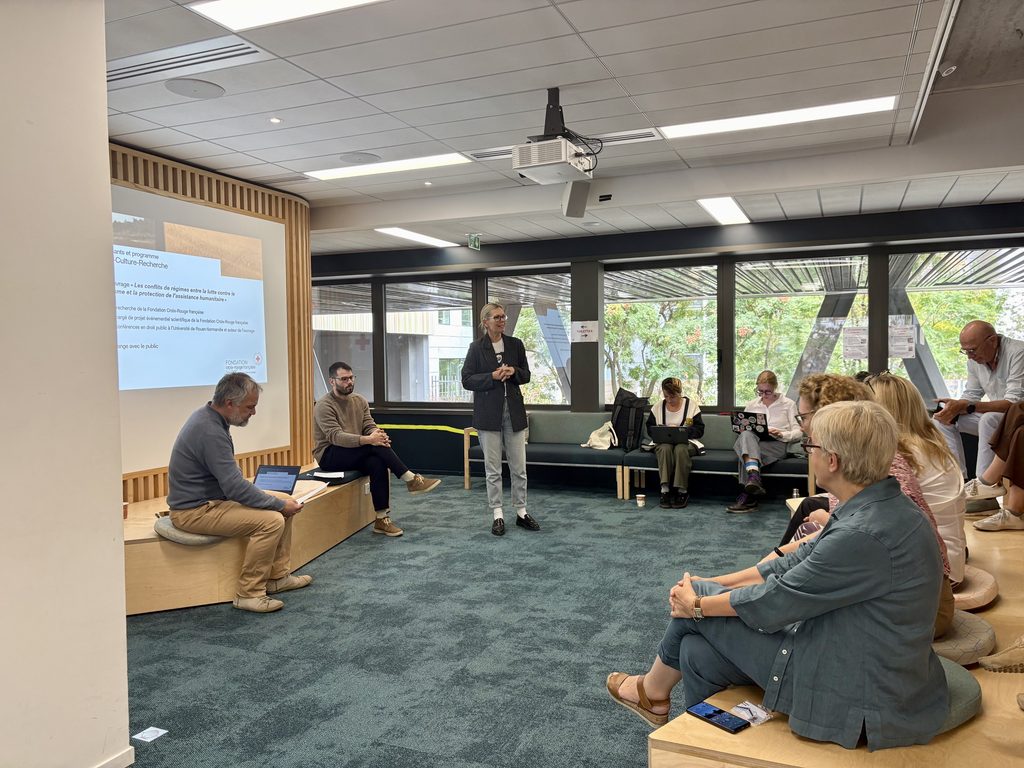
The speaker:
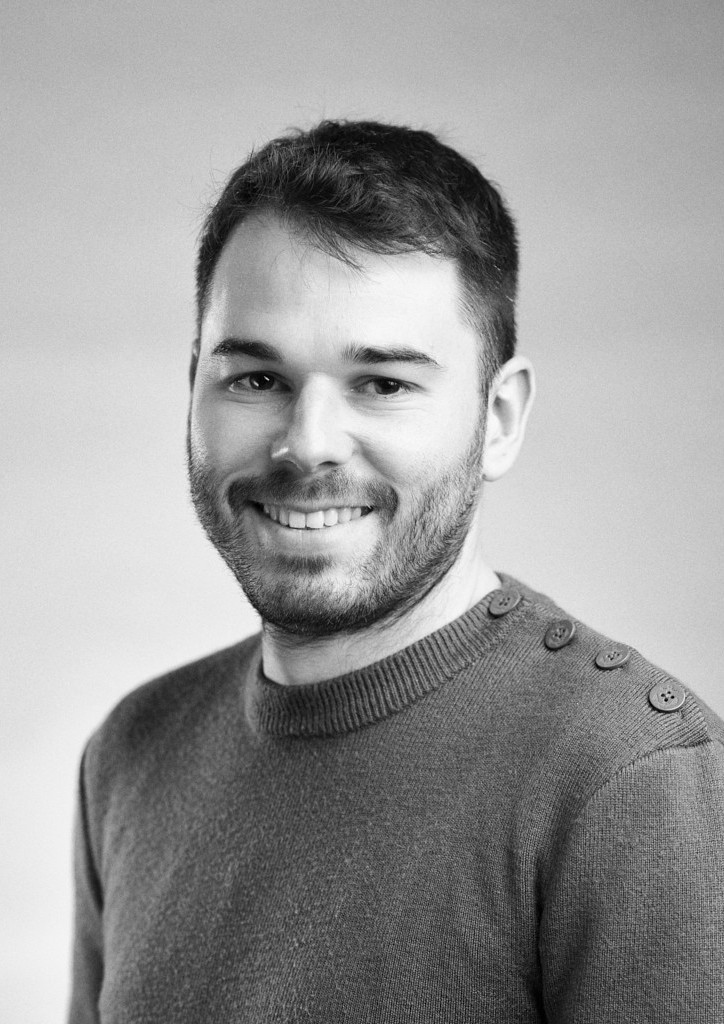
Julien Antouly is an associate professor of public law at the University of Rouen Normandy (CUREJ), where he co-directs the Master’s 1 program in International and European Law. He is the author of a book published in 2026 by Éditions Mare & Martin, based on his doctoral dissertation and titled “Regime Conflicts Between the Fight Against Terrorist Financing and the Protection of Humanitarian Assistance.” Having previously focused primarily on counterterrorism sanctions and their humanitarian consequences, his research now centers on European responses to new forms of conflict (disinformation, electoral interference, economic threats, etc.).
He worked as a project engineer at the Research Institute for Development in Bamako, Mali, and served as a legal advisor for various humanitarian organizations (ICRC, NRC), as well as a research program coordinator (French Red Cross Foundation).
To find the book: “Regulatory Conflicts Between Combating Terrorist Financing and Protecting Humanitarian Aid”
In partnership with

Photo credit: Camille PY-DERBYSHIRE