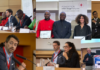
On October 28, the French Red Cross Foundation organized the 6th edition of its Annual Conference to discuss changes in humanitarian and social action, in partnership with Sciences Po’s Center for International Research (CERI). This event, marking the presentation of the Foundation’s 50th research award, brought together researchers and practitioners in the fields of humanitarian and social action to discuss responses to major challenges.
Faced with an increase in the number and intensity of crises, the humanitarian sector must take a broader view so as not to be overwhelmed by the complex challenges surrounding us, noted Virginie Troit, Executive Director of the French Red Cross Foundation. As such, the presentation of the Foundation’s 50th research award took on particular significance, allowing us to look toward the future by building on the lessons learned from recent years of research.
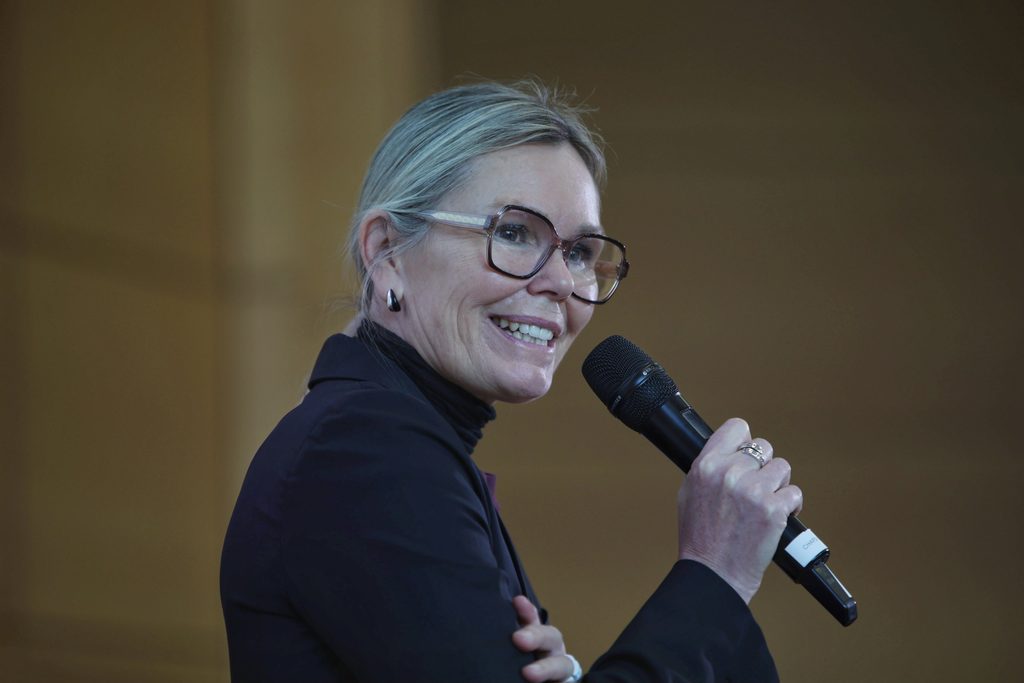
Virginie Troit, Executive Director of the French Red Cross Foundation
Roundtable 1
Community Engagement in Disaster Risk Management Programs
While research in the humanities and social sciences on “natural” disasters often focuses on the impact of disasters on affected communities and their needs, the first roundtable proposed a new approach, focusing on the role of communities as active participants in managing the disaster risks that affect them. Virginie Le Masson, Ph.D. in geography, and Colette Benoudji, founder of the NGO Lead Tchad, presented their research on the survival and resilience strategies of communities facing floods in N’Djamena, Chad, highlighting the importance of social markers in determining vulnerability to disasters. Their findings complemented the observations of Brice Molo, an associate professor of sociology at the Catholic Institute of Paris, who warned that community involvement in disaster risk management programs must not lead to institutional actors shirking their responsibilities. Khan Kouamé, who holds a Ph.D. in communication sciences, presented the results of her research on digital practices in response to flooding in Abidjan, Côte d’Ivoire, emphasizing the importance of moving beyond a one-sided, top-down use of digital technology and of valuing citizen participation. The presentation by Guillaume Meugnier, Director of Regional Development at the French Red Cross, facilitated a dialogue between researchers and practitioners by explaining how an organization like the French Red Cross addresses the challenge of community engagement in disaster risk management programs, and what the successes, strengths, as well as the challenges and areas for improvement in the initiatives undertaken by the French Red Cross in this regard, both in France and abroad.
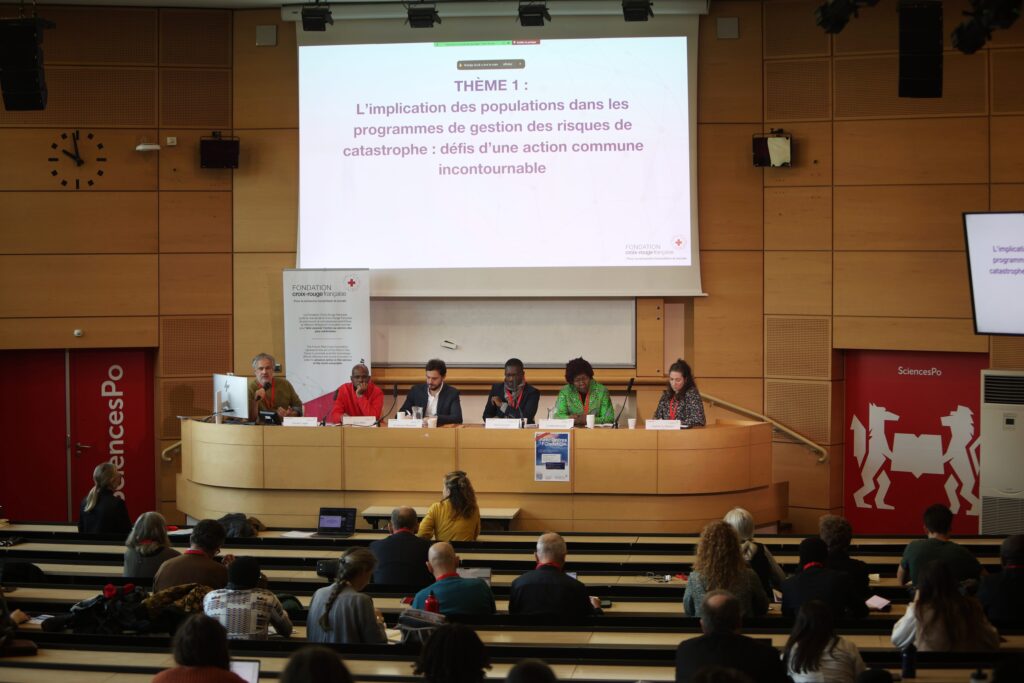
Roundtable 2
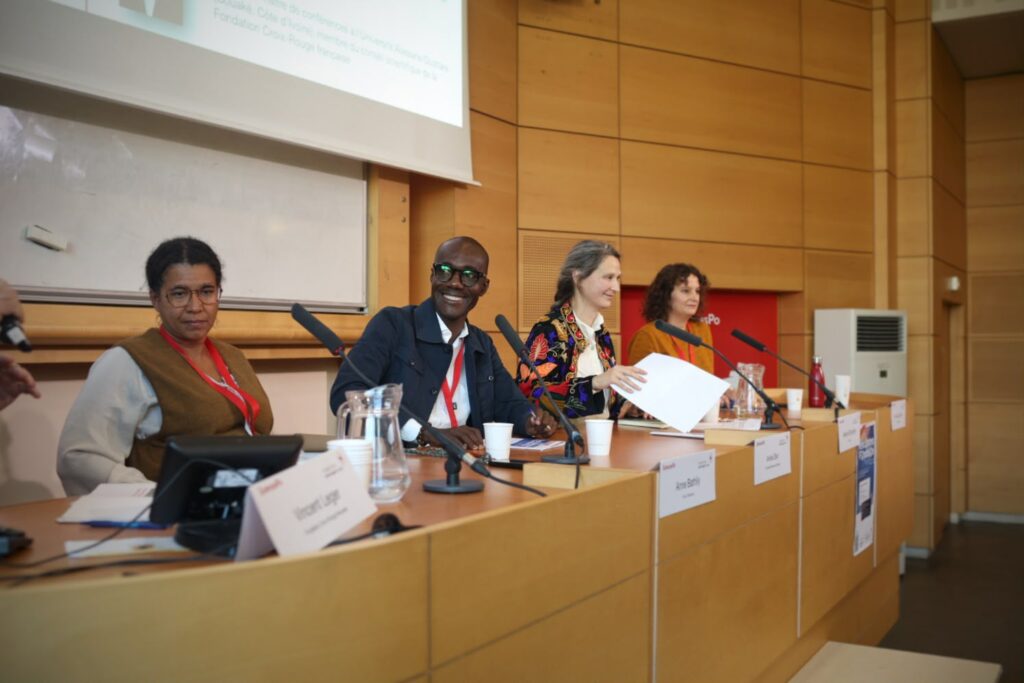
The “Localization” of Humanitarian Aid in Practice: Lessons Learned and Ways Forward
Identified as a priority at the first World Humanitarian Summit in 2016, the localization of humanitarian aid remains a major challenge for the humanitarian sector. During this second roundtable, speakers discussed the obstacles to localization and the lessons learned over the past decade. Anne Bathily, co-founder of the CALLS network, which aims to promote civic engagement among refugees, emphasized the importance of transferring skills to local stakeholders, both in decision-making and in implementation. This idea echoed the remarks made byAnne-Lise Sève, a technical advisor with the French Red Cross’s National Operations Directorate, who shared her experience supporting the development of national societies—work aimed at promoting the autonomy of national societies through an equitable partnership. Verena Richardier, who holds a Ph.D. in sociology from ENS Lyon, presented the results of her research on the division of labor within international NGOs and career paths in the humanitarian sector for Africans in light of aid localization. Finally, Anicet Zran, who holds a Ph.D. in the history of health, illustrated these ideas using the example of Ivorian NGOs in Côte d’Ivoire, which serve as a concrete example of local expertise.
The Humanitarian Ideas Workshop
Funding under strain, the proliferation and evolution of crises, climate change, and the shifting landscape of stakeholders: What new research questions can help us think and act differently?
Led by Virginie Troit, the Humanitarian Ideas Workshop brought together researchers specializing in the humanitarian sector and students involved in the field of solidarity to discuss a common topic: the new humanitarian landscape. The speakers were invited to reflect on the blind spots in research on the humanitarian sector and to propose avenues for future reflection.
In the first part, Coline Thierry, a student of comparative politics at Sciences Po’s School of Research, highlighted the risks posed by the collapse of knowledge in an era of weakened trust in international solidarity. This presentation echoed the analyses of Jean-Pierre Olivier de Sardan, an anthropologist and director of studies at EHESS. Lancelot Giraud, a master’s student in human rights and humanitarian action at Sciences Po, and Sandrine Revet, an anthropologist and research director at Sciences Po’s CERI, concluded by emphasizing the challenges posed by the proliferation of crises and the need to value local knowledge.
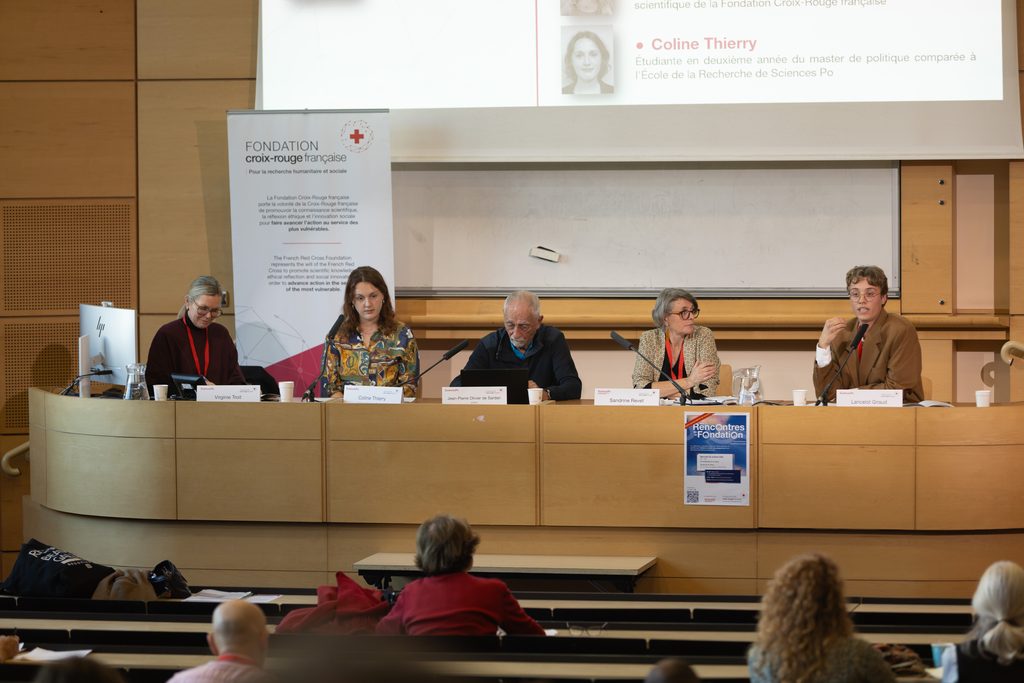
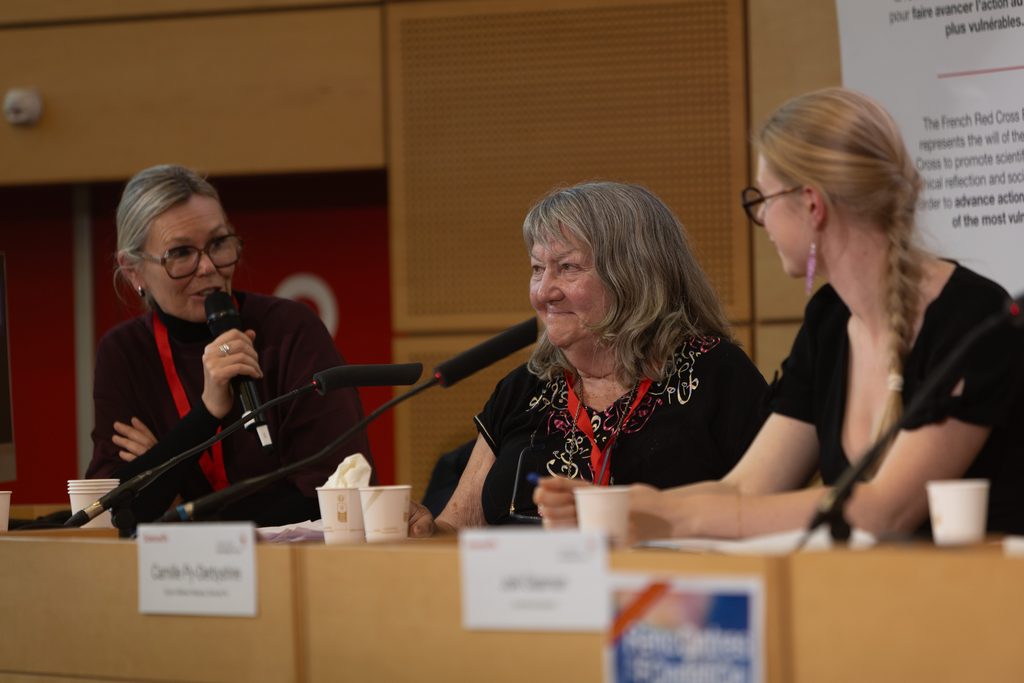
During the second part, Anne-Marie Moulin, a philosopher and physician, asked the audience about the meaning of the “new humanitarian reality.” This discussion was followed by remarks from Jasmine Lakhdari and Camille Py-Derbyshire, students of public policy and global health at Sciences Po, who spoke about access to healthcare in underfunded areas. Joël Glasman, a historian and professor at the University of Bayreuth, discussed the challenges of data access in the age of AI and the withdrawal of funding for research.
The 2026 Research Awards Ceremony: Special Edition—50th Anniversary Awards
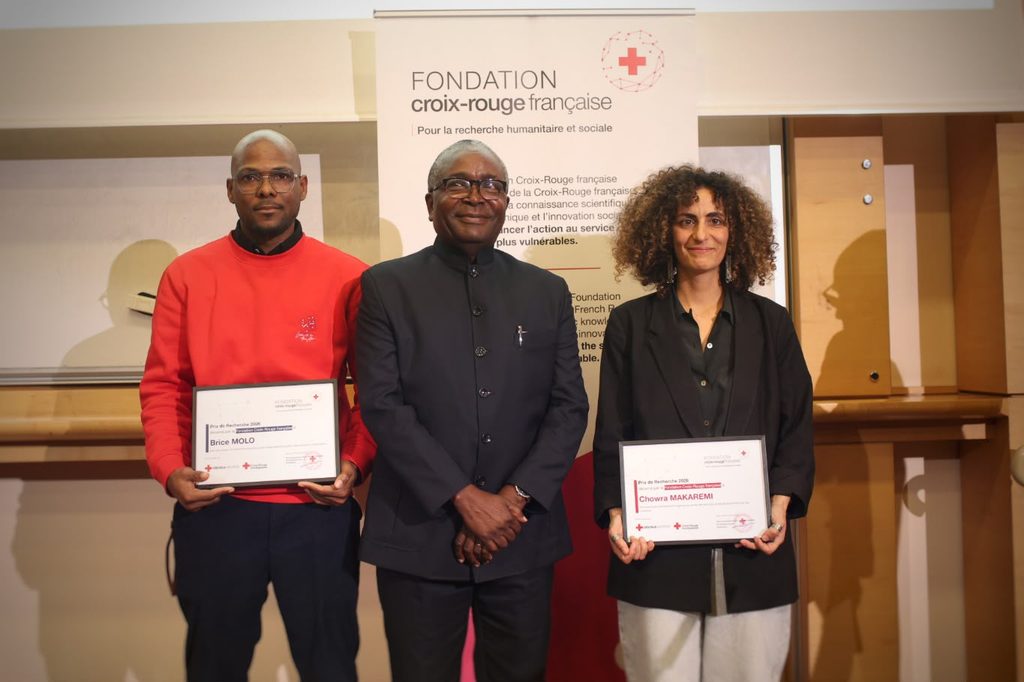
To conclude the day, the Foundation presented its 2026 research awards, recognizing innovative contributions to research in the humanities and social sciences, with the support of its partners, the Andorran Red Cross and the Monegasque Red Cross.
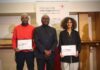
The “Avenir” Award was presented to Brice Molo, a sociohistorian, for his innovative research on the imagination and the management of risks and disasters.
Chowra Makaremi, an anthropologist, received the “Foundation for Humanitarian and Social Research” Award for her original research on the role of emotions and attachments in the face of violence.
Finally, the Foundation’s 2026 honorary award—its 50th—was presented to Francis Akindès, professor of political and economic sociology at Alassane Ouattara University in Bouaké, in recognition of his exceptional career and his internationally recognized research on a wide range of humanitarian and social issues.
==> Learn more about the 2026 winners
Photos: ©B. Blondel for the French Red Cross Foundation